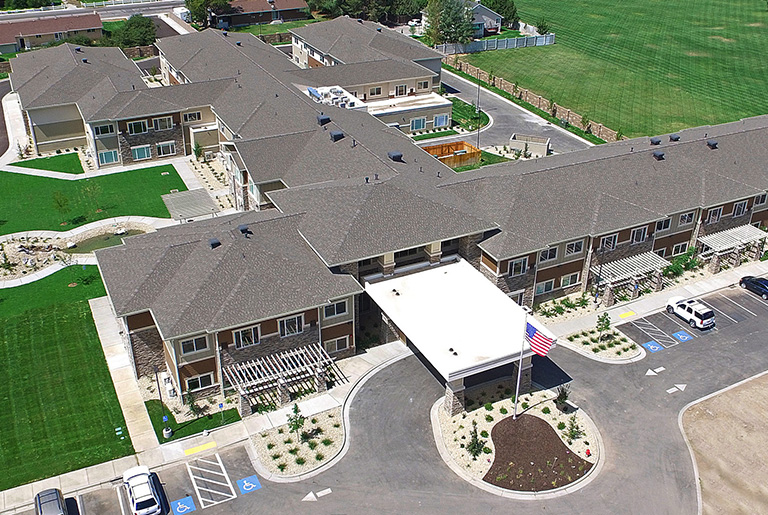
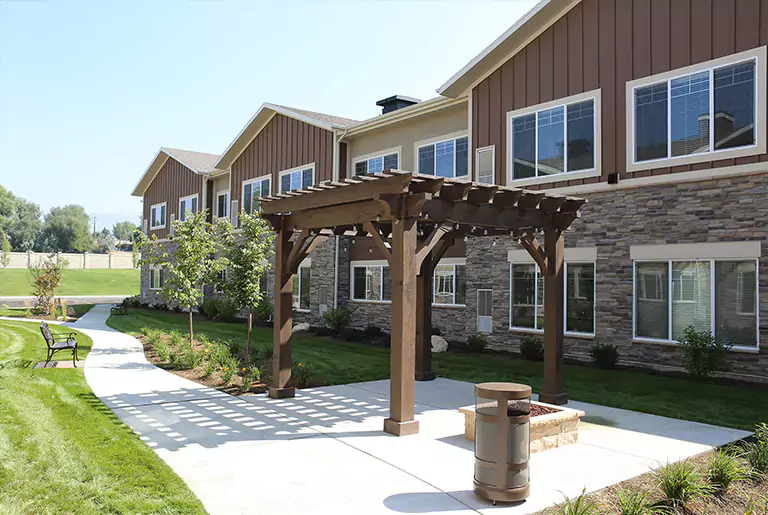
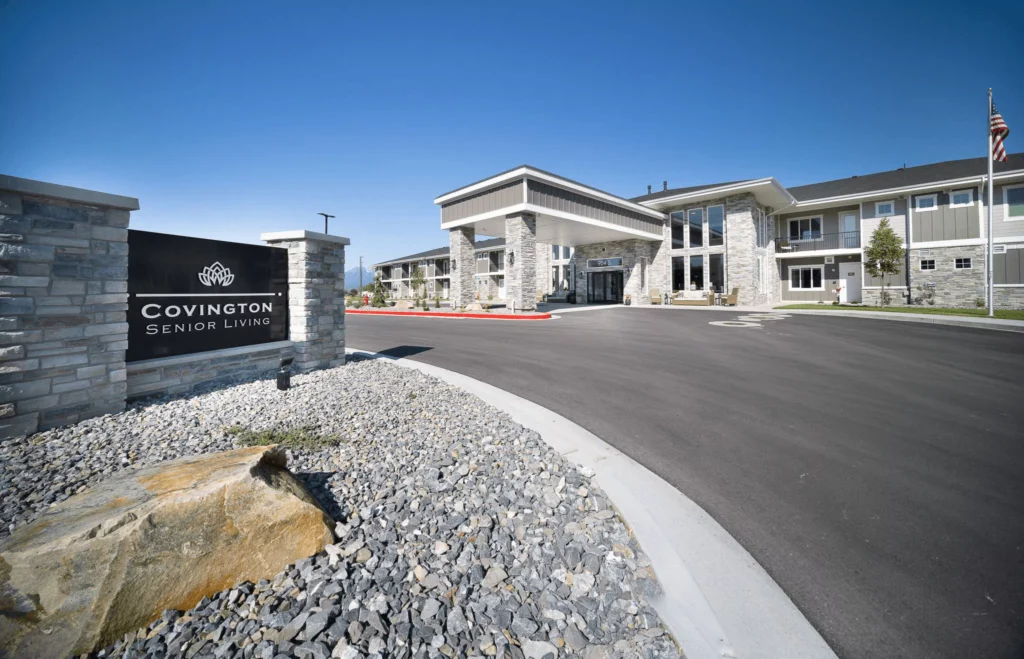
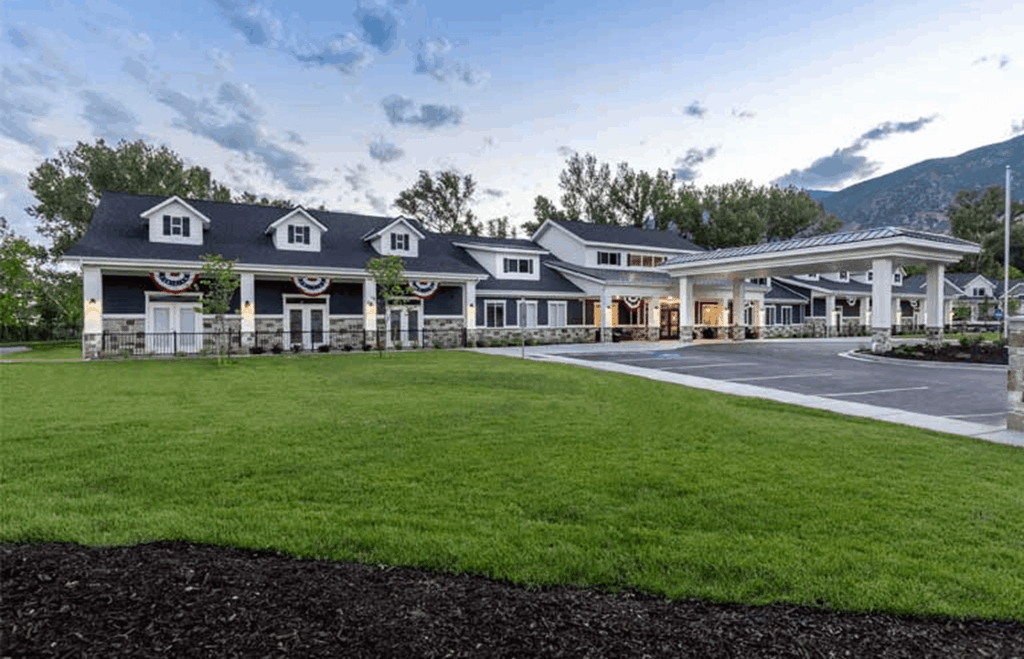
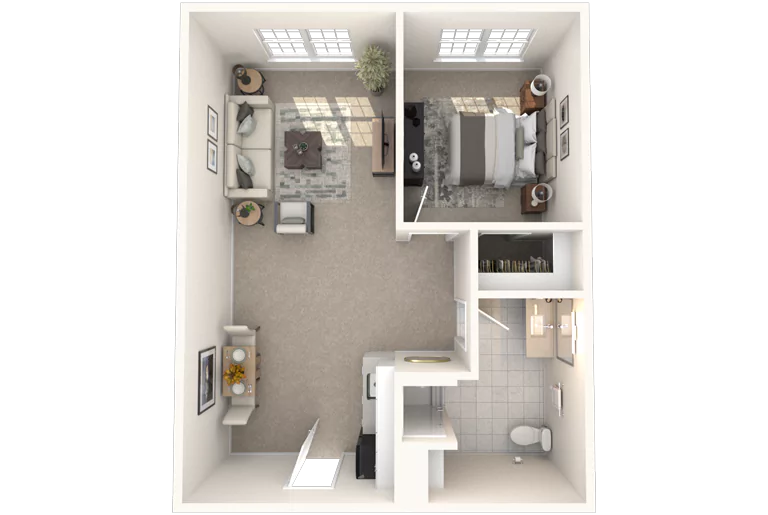
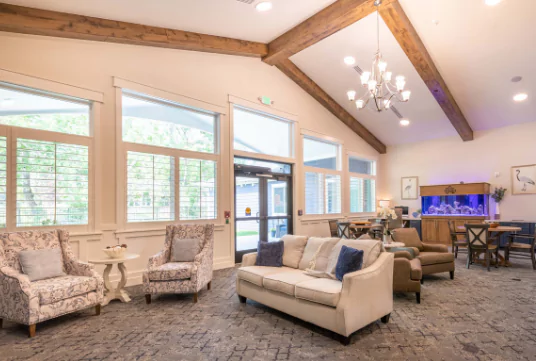
A variety of floor plans are available for your desired lifestyle. These plans are designed to promote warm Independent and Assisted Living apartments that will help you feel right at home. The recent construction of this building showcases modern design and a warm atmosphere.
Services & Amenities
Covington Senior Living is designed to provide a wide variety of services that celebrate individuality, support healthy living, and promote the independence and safety of our residents.
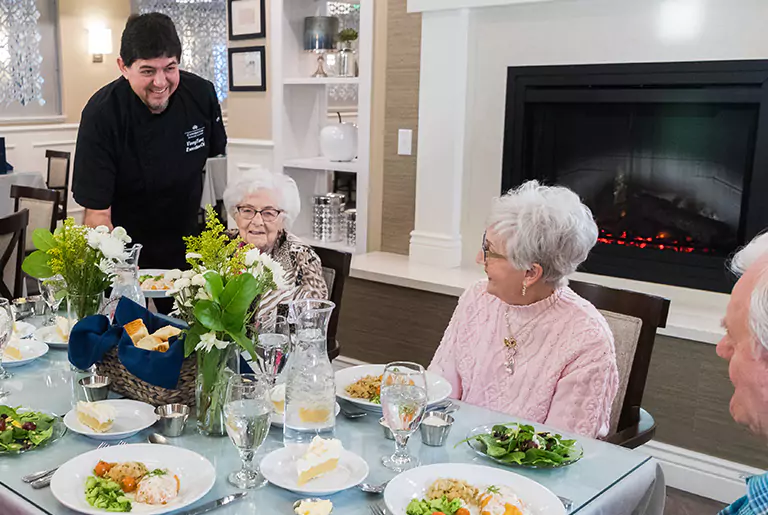
Each day will include a variety of activities, fine dining, exercise, entertainment, field trips, and more!
Our Communities
Covington Senior Living offers exceptional senior living options in four beautiful and convenient locations on the Wasatch front – Orem, Lehi, Farmington, and Heber, UT. In all of our communities, our goal is to embrace each resident, celebrate their individuality and enhance their individual lifestyles.
We know it is all about the people that make our community here at Covington special. They are the ones that make all of the difference. Our team works hard continually to ensure that we provide the best service and care for the benefit, well-being, and joy of our seniors.